
Systems
Two Programs.
One Decision Boundary.
CORTEX is a distributed counter-drone response system. REVENANT is a man-portable tactical ISR UAS. They address distinct missions while keeping human operators at the point of decision.
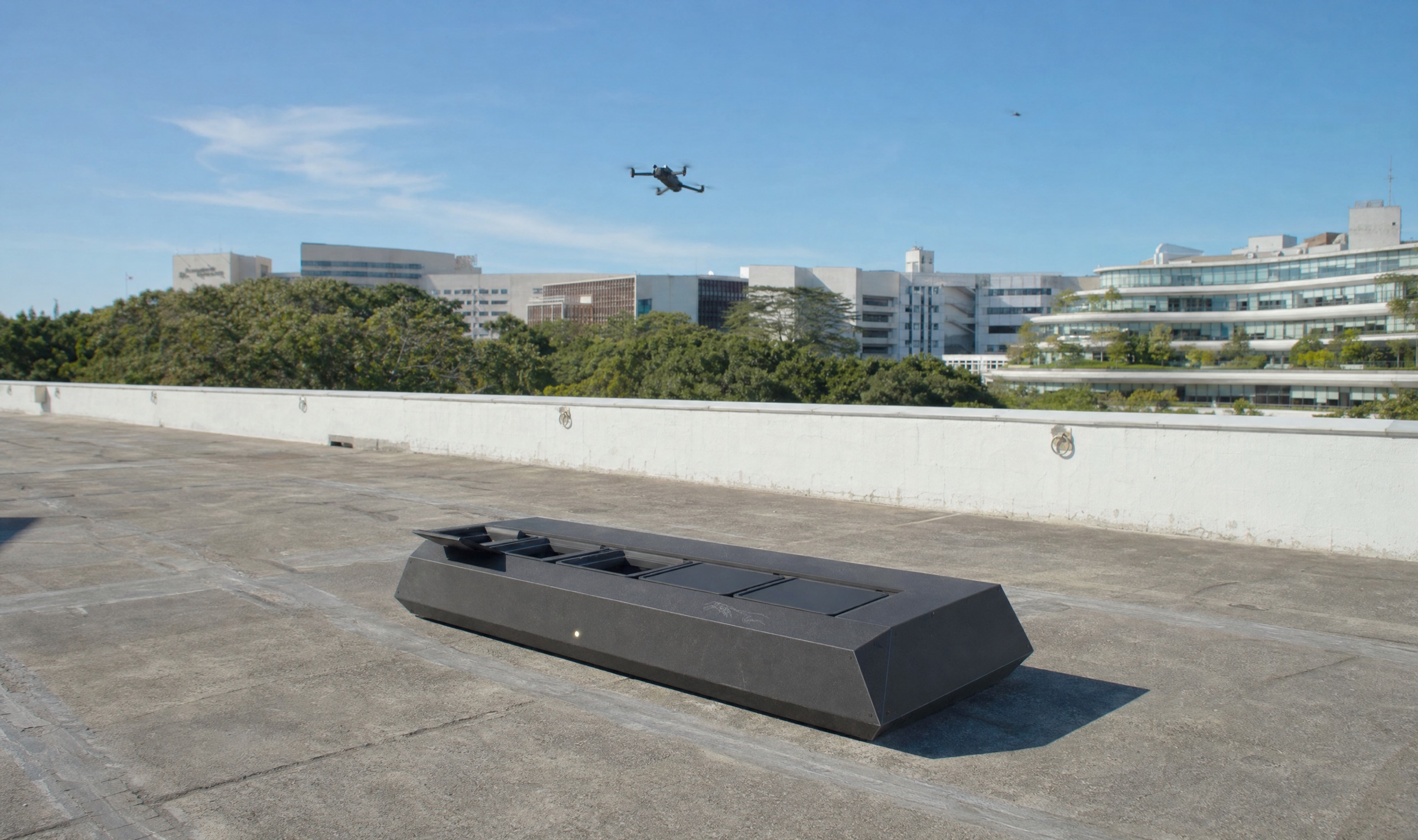 CORTEX Counter-Drone Response System
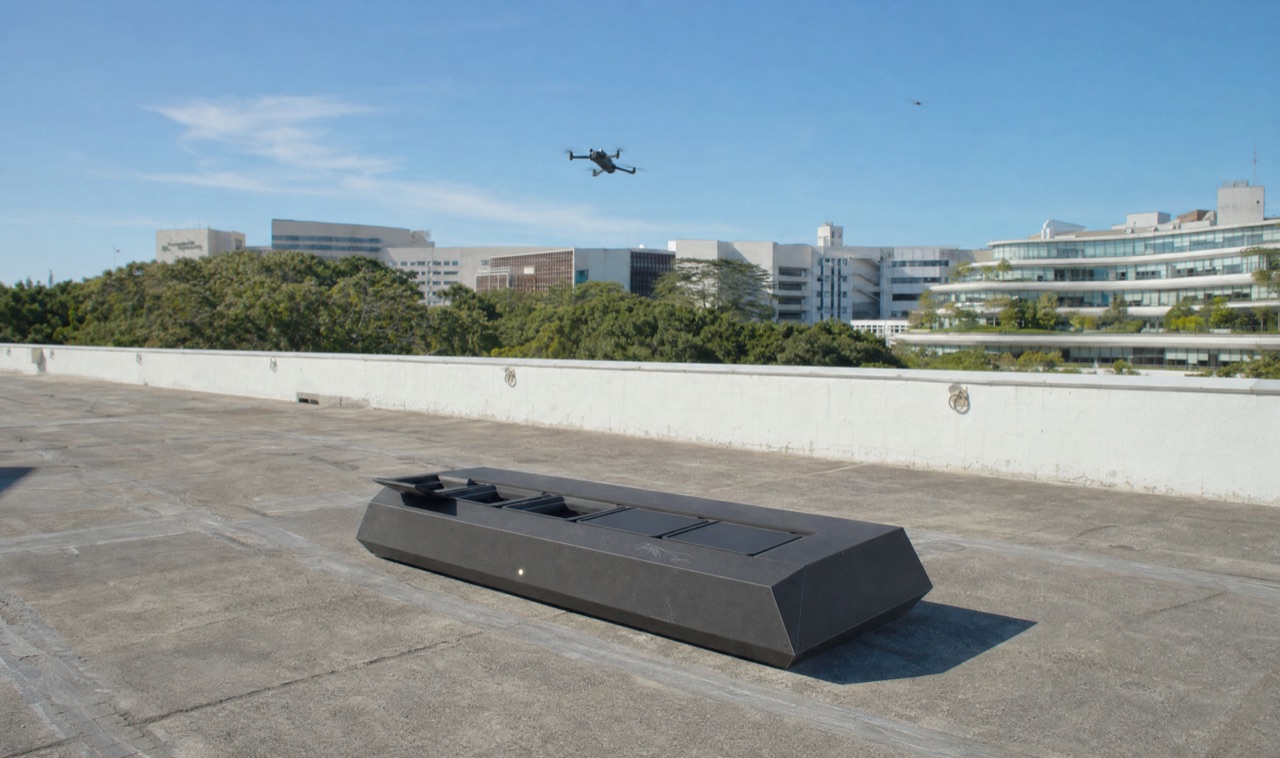
CORTEX
The CORTEX architecture distributes ready stations holding multiple compact interceptor drones. A local or integrated radar track enters VERTEBRA, CORTEX's track-management and fire-control subsystem. A human verifies the track and authorizes launch and engagement.
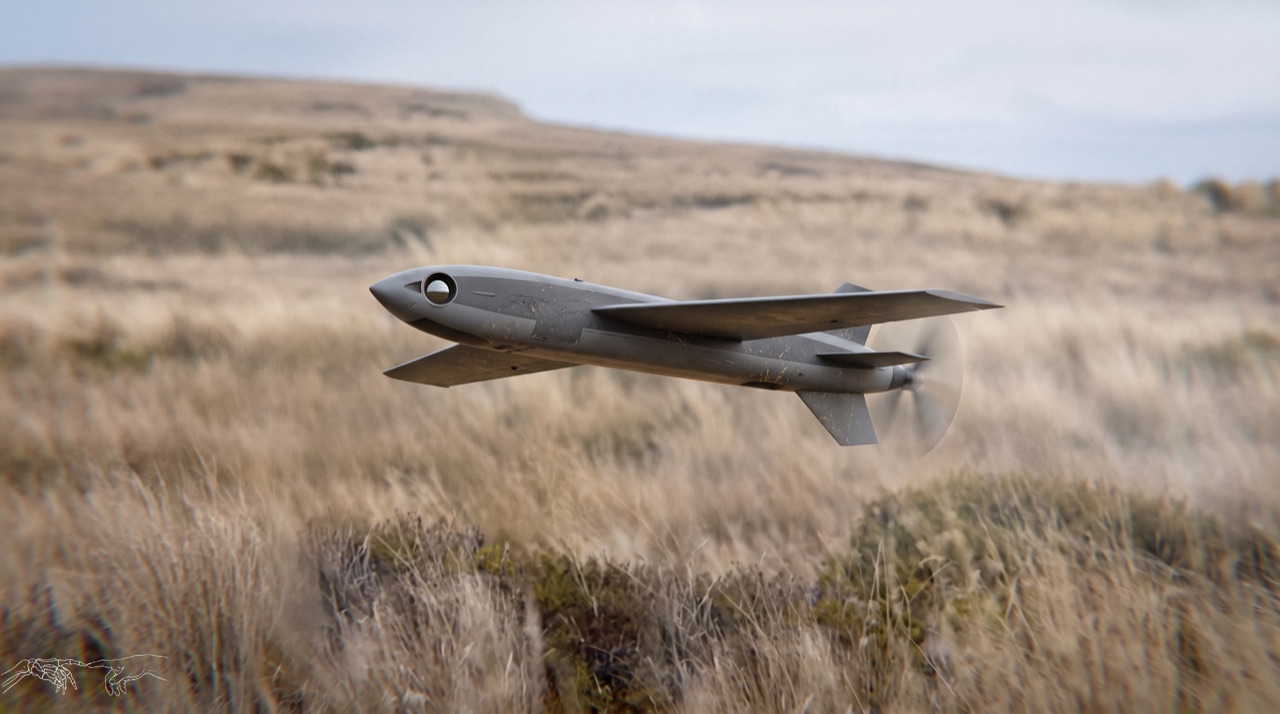
REVENANT
A man-portable tactical ISR UAS launched from a compact handheld launcher. It is intended to give team-sized ground elements and special reconnaissance teams organic overhead ISR when theater-level assets are unavailable.
Operating Model
Two Roles.
One Boundary.
CORTEX is designed for local counter-drone response. REVENANT is intended to give supported teams organic overhead ISR. Both are in development, and neither removes the human from the decision boundary.
Program Inquiries
Request A Briefing.
Contact BonesDefense for current program information and controlled technical material under appropriate agreement.