
Autonomous To The Trigger. Never Through It.
Building counter-drone response and tactical ISR systems. Autonomous to the trigger. Never through it.
Thesis
We Build The
Contact Point.
The Gap
Small uncrewed aircraft compress the response timeline. At the same time, team-sized ground elements may need overhead awareness when theater-level ISR is unavailable. Both missions require systems placed close to the people making the decision.
What We Build
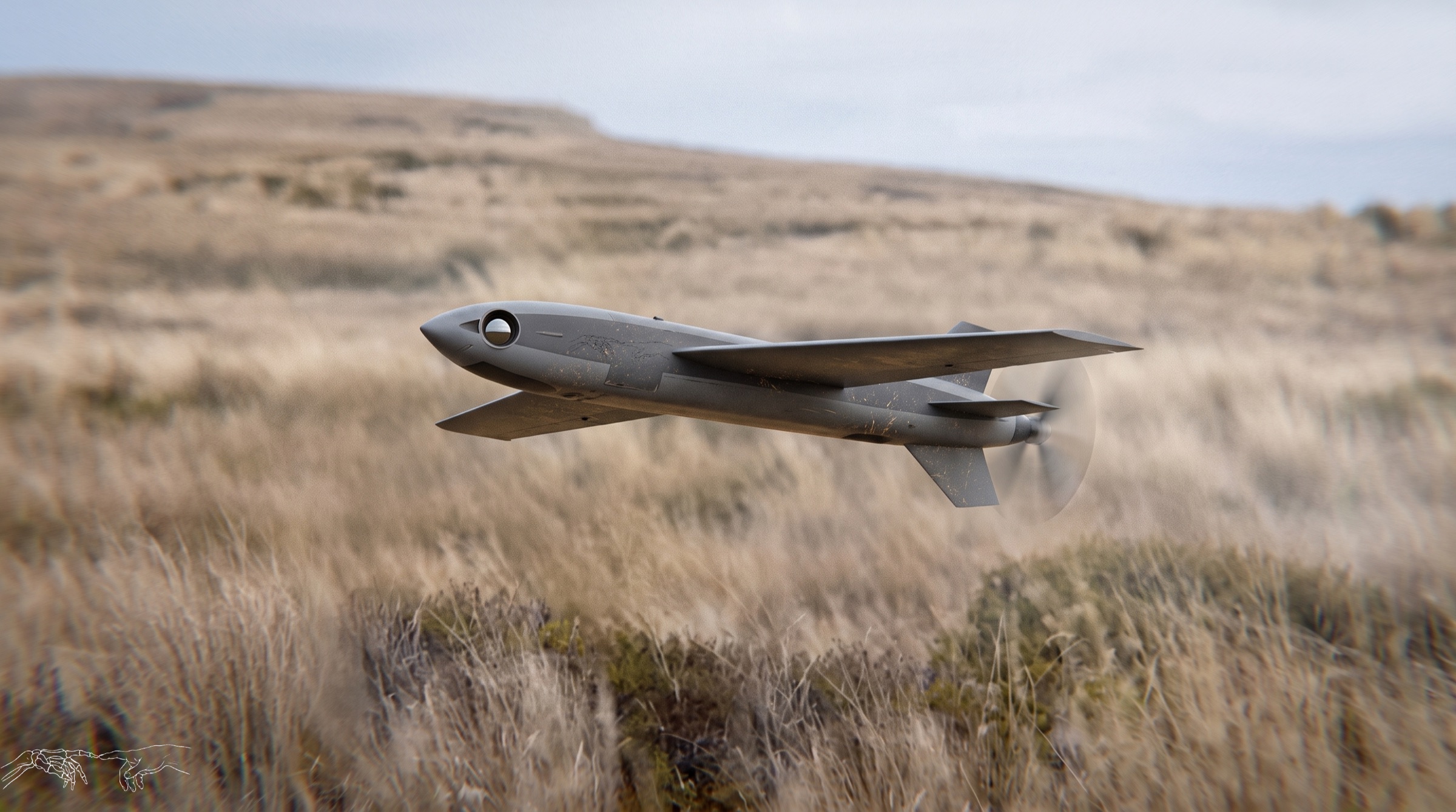
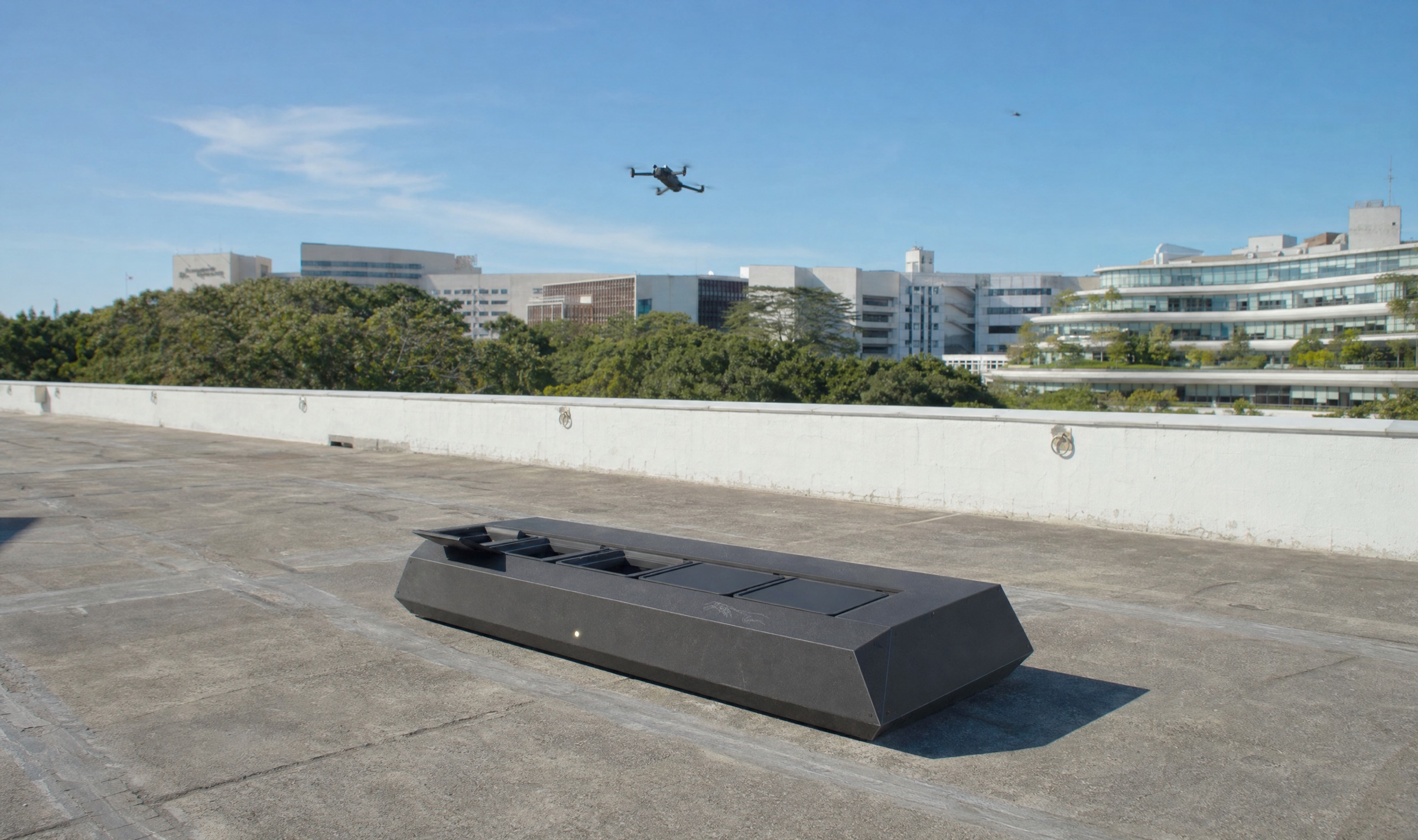
Two programs. CORTEX is designed around distributed ready stations and compact interceptor drones. REVENANT is intended to give supported teams man-portable tactical ISR. Both keep a human at the decision boundary.
Our Mission
Autonomous To The Trigger.
Never Through It.
Within CORTEX, a radar track enters VERTEBRA, the system's track-management and fire-control subsystem. The system stops at the decision boundary. A human verifies the track and authorizes launch and engagement.
That constraint is the whole company, and it is why the mark shows two hands. The machine reaches. The decision stays human. The principle applies across both programs and remains part of the architecture, not a policy added later.

Systems
Where We Start.
Two systems for distinct operational needs. CORTEX is designed to respond to FPV, ISR, and other small loitering UAS. REVENANT is intended to give team-sized ground elements organic overhead ISR when theater-level assets are unavailable.
Work With Us
Open For Conversation.
Program offices, primes, investors, and future teammates. If you think what we are building matters, we would like to hear from you.